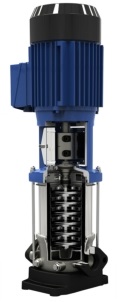
A water turbine electric generator is a type of renewable energy that uses the power of flowing water to turn turbines and produce electricity. These generators can be found all around the world, and they play an important role in supplying electricity to large areas. In this article, we will explore what a water turbine generator is and how it works. We will also discuss the pros and cons of this technology, as well as its potential applications in the future.
What is a Water Turbine Electric Generator?
A Water Turbine Electric Generator (WTEG) is a type of renewable energy technology that uses the power of moving water to generate electricity. WTEGs are often considered a more environmentally-friendly option than traditional power plants, as they do not produce greenhouse gases.

A WTEG works by using the rotation of a wheel with blades surrounding it to turn a shaft. This shaft connects to an electric generator, which converts the rotational motion into electrical energy. WTEGs are reportedly much more efficient than traditional power plants and can be used to generate power in both cold and warm climates.
How Does a Water Turbine Electric Generator Work?
A water turbine electric generator is an energy conversion device that uses the motion of a fluid flow to generate electricity. A turbine is a rotating object that uses the motion of the water to turn a shaft, which in turn drives a generator. The generator produces direct current (DC) electricity from the rotational motion of the blades.
Type of Water Turbine Electric Generator
A water turbine electric generator is a type of generator that uses the power of moving water to produce electricity. The generator is typically mounted on a large rotating arm called a rotor, which rotates as the water flows past it. This movement creates a small amount of energy that can be turned into an electrical current.
The generator works best when the water is flowing at a relatively high speed, which helps to create a large amount of power. In some cases, the generator can be connected to a hydroelectric dam and use the power of the dam to produce electricity.
Benefits of a Water Turbine Electric Generator
A water turbine electric generator is a renewable energy technology that uses the power of flowing water to generate electricity. This type of generator takes advantage of the rotating motion and natural flow of water to create mechanical power. The result is clean, sustainable energy that can be used in homes and businesses.
There are many benefits to using a water turbine electric generator, including:
1) The generators are environmentally friendly – unlike traditional fossil-fueled generators, water turbines produce no emissions.
2) They're affordable – because they use flowing water, turbine electric generators are relatively cost-effective solutions for generating electricity.
3) They're reliable – due to their reliance on naturally occurring motion, turbine electric generators are usually very reliable and durable.
4) They're efficient – because water turbines use a lot of energy to create power, they tend to be very efficient.
5) They're versatile – turbine electric generators can be used in a variety of locations, including homes, businesses, and farms.
6) They're easy to install – because they use water, turbine electric generators are usually easy to install.
7) They're adaptable – because they're powered by flowing water, turbine electric generators can be adapted to a variety of locations and applications.
8) They're scalable – because water turbines are relatively small and easy to install, they can be scaled up or down to meet the needs of a particular application.
9) They're reliable – because they use a natural source of power, turbine electric generators are usually very reliable.
10) They're sustainable – because water turbines use a renewable resource, they're sustainable.
In addition to these benefits, using a turbine electric generator can also save you money on your energy bill. Because the generators are so reliable, they're often able to reduce your reliance on fossil fuels, which can lower your energy costs.
Conclusion
In this article, we'll be exploring what a water turbine generator is and how it works. We'll also look at some of the benefits and drawbacks of using these generators in different applications. Hopefully, by the end of this article, you will have a better understanding of the technology and be able to make an informed decision about whether or not an electric generator might be right for your needs.
A water turbine electric generator is a type of renewable energy generator that uses the power of flowing water to turn mechanical energy into electrical output. Compared to other types of renewable energy generators, such as wind turbines and solar panels, an electric generator is relatively inexpensive to build and maintain. The key component of an electric generator is the hydroelectric dam, which captures the power of flowing water and turns it into electricity.