
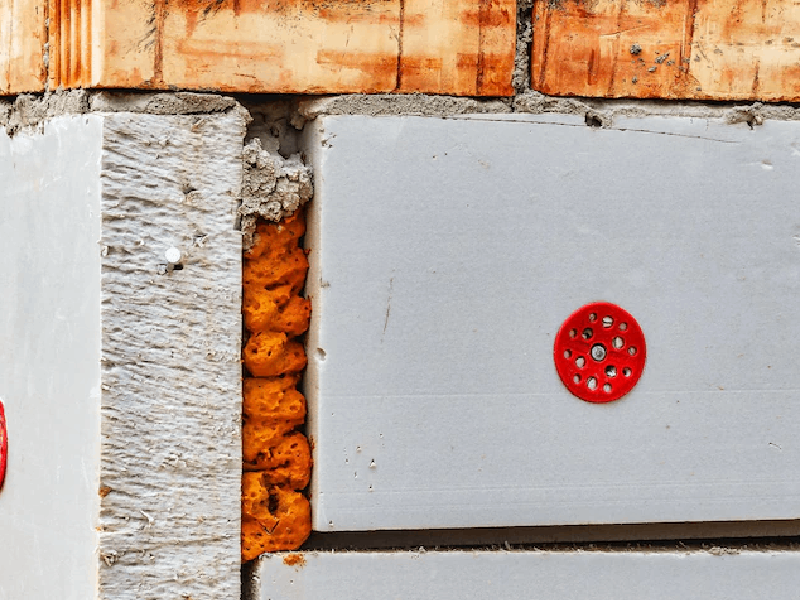
Basement waterproofing is a critical step in protecting your home from costly damage caused by flooding and water intrusion. It is important to understand the basics of basement waterproofing to ensure the longevity of your home and its structural integrity. Basement waterproofing is the process of preventing water from entering a basement and causing damage and mold. This is accomplished by sealing cracks in the foundation, installing a sump pump, and installing a waterproofing membrane on the basement walls and floor. Additionally, de-watering and drainage systems can be installed to redirect water away from the foundation and reduce the risk of flooding. Basement waterproofing will help to ensure that your basement is safe and dry for years to come.
Don't Let Wet Basements Ruin Your Home
Basement waterproofing in new york can be a difficult and time-consuming task. However, the professionals at our company are here to help make your basement watertight and safe. We have the experience and expertise necessary to take care of all of your needs, from prepping your foundation to perfecting the installation process. A wet basement can cause a lot of damage to your home, from mold and mildew to structural damage from flooding. If you're experiencing a wet basement, it's important to take action quickly to prevent further damage and preserve the integrity of your home. Try to identify the source of the water. Is it coming from the walls, floor, or ceiling? Is the water entering through a crack, or is it a result of poor drainage outside? Once you've determined the source, you can take steps to fix the problem and prevent future water damage.

Get the Most Out of Your Home’s Basement
The basement of your home is probably the most underutilized area. With a few simple updates, you can make the most out of your basement and create a living space that the whole family can enjoy. Start by identifying any potential safety issues that may need to be addressed, such as water leaks or electrical problems. Once these are taken care of, you can focus on creating an inviting space. This may involve installing carpeting, painting the walls, or adding built-in shelves. If you're feeling ambitious, you can even consider turning the basement into a separate living area, complete with a kitchen, bathroom, and bedroom. No matter what you decide to do, the goal should be to create a space that is comfortable, inviting, and functional.
Prevent Costly Water Damage in Your Basement
Taking steps to prevent costly water damage in your basement is essential for protecting your home and preserving its value. Start by making sure your home is properly insulated and sealed. If your basement walls and floors are damp, you should use a dehumidifier to reduce the amount of moisture in the air. Make sure all your windows and doors are sealed properly and check for cracks and gaps in the foundation. If you have gutters and downspouts, be sure they are clean and free of debris. You should also check your appliances regularly to make sure they are working properly and not leaking. If you have an old washing machine, it is especially important to check for leaks and replace any hoses that may be worn out or cracked. It is also a good idea to inspect your plumbing pipes and valves for any signs of deterioration or leaks.
Keep Basement Moisture Out For Good
Basement moisture can cause serious problems if not taken care of properly. Taking proactive steps to keep moisture out of your basement can help prevent costly repairs and health risks. The first step to keeping moisture out is to properly seal the basement walls and floors. Make sure any cracks or gaps are sealed with a quality sealant and check for any signs of water seepage. Additionally, make sure to use waterproofing products on your basement walls and floors to protect them from moisture. Another important step to keeping moisture out is to make sure your gutters and downspouts are functioning properly.
Understand the Different Types of Basement Waterproofing
Basement waterproofing is essential for any home as it is the first line of defense against water damage. The different types of waterproofing are dependent on the type of structure and the level of water protection desired. Interior waterproofing is the most common type, which involves sealing the inside walls of the basement against moisture. Exterior waterproofing is also an option, which involves protecting the outside of the basement from water seepage. An exterior waterproofing system may include a waterproof membrane, drain tiles, and a sump pump. Additionally, there are other waterproofing options such as installing a dehumidifier, which can reduce the amount of moisture in the air and prevent mold growth.
Learn How to Protect Your Home From Basement Water Damage
Basement water damage can be an expensive and time-consuming problem to fix. Fortunately, there are steps you can take to prevent it from happening. Start by inspecting your basement regularly for any signs of water damage such as cracks, mold, or standing water. Make sure all drainage systems, sump pumps, and gutters are working properly. If your basement is prone to flooding, consider installing a waterproofing system. Make sure all windows, doors, and vents are properly sealed to prevent water from entering. Install a dehumidifier to help prevent moisture from accumulating in your basement. Taking these steps can help protect your home from basement water damage and save you from costly repairs in the future.
Conclusion
Basement waterproofing is an essential part of protecting your home from flood damage, mold, and mildew. By installing a proper drainage system, sump pump, and waterproofing materials, you will be able to significantly reduce your chances of water damage to your home. Additionally, waterproofing your basement will help to improve your indoor air quality and the overall health of your home. With the right knowledge and materials, basement waterproofing can be an effective method of protecting your home from the elements. This may include sealing cracks, installing a sump pump, and installing a drainage system.